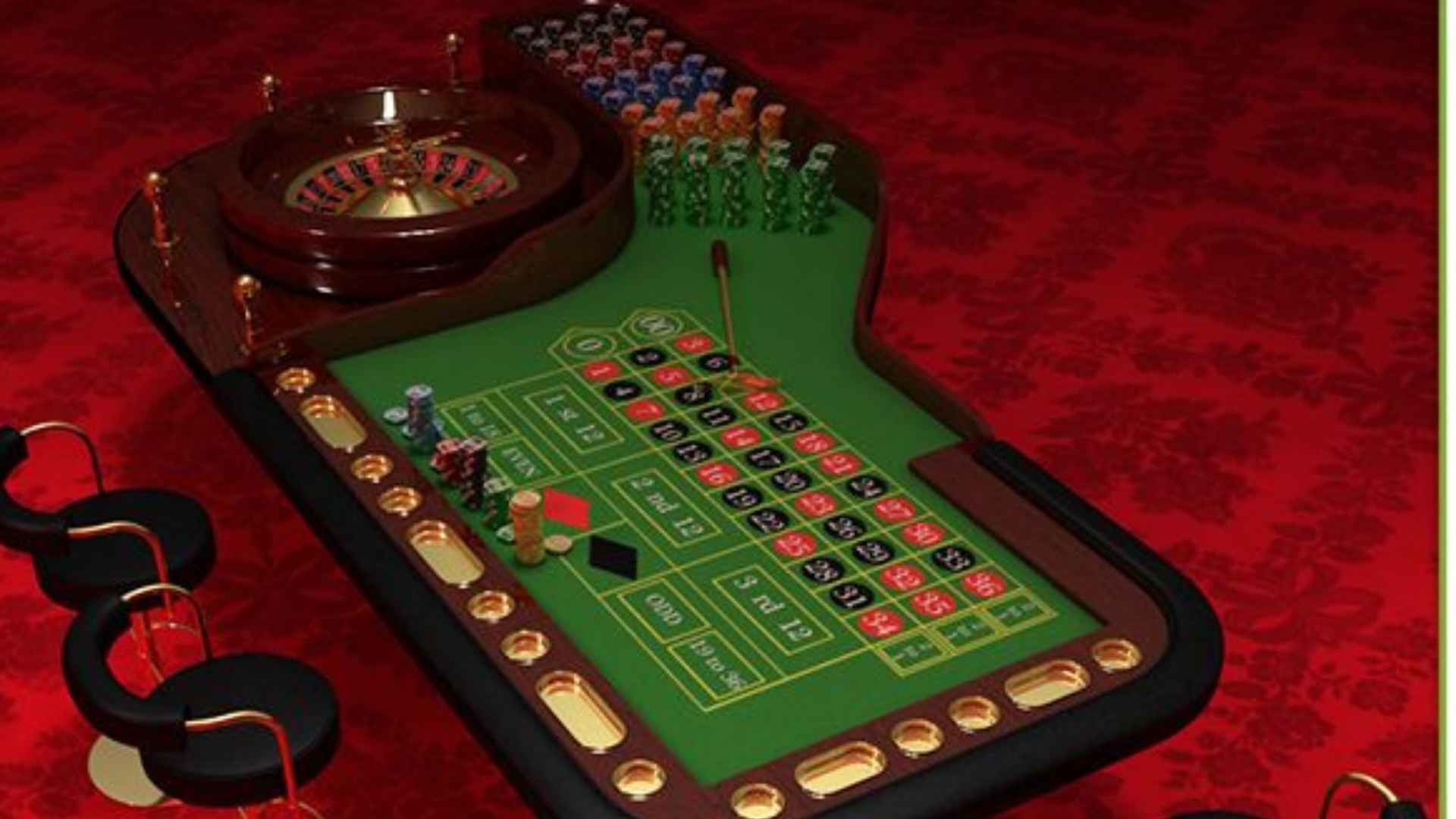
The architecture of classic table games often relied on a shifting distribution of power to maintain engagement and fairness among participants. Long before centralized dealer structures became the standard format in modern establishments, traditional setups required individuals to take turns managing the capital. This fluid arrangement altered the psychological environment of the room, turning a simple card duel into a complex social event driven by communal participation.
The Psychology of Shifting Risk
When the responsibility of holding the bank moves around a table, the emotional state of the entire group transforms instantly. Individual participants must shift their mindset from passive observation to active management of the table's total financial exposure. This constant alternation prevents anyone from remaining detached, fostering an intense atmosphere where personal reputation and tactical observation become paramount.
As different personalities assume the financial control, the collective strategy of the remaining participants adapts in response to observed behavioral patterns. Some managers display conservative traits while others invite substantial confrontation, forcing the group to read characters rather than relying purely on mathematical trends. This interpersonal tension creates a unique bond among those present, as everyone experiences the identical burdens of management at some stage.
Community Bond Through Shared Accountability
Traditional formats that employ a rotating structure establish a deep sense of mutual accountability that is often absent in automated settings. Because the participants are playing directly against one another's capital, the interaction feels intensely personal and cooperative simultaneously. This communal involvement builds a specific code of etiquette, where respect and quiet observation govern the decision-making process.
The shifting arrangement naturally breaks down social barriers, allowing diverse individuals to communicate through the universal language of risk. For those interested in exploring modern interpretations of these classic structural mechanics, utilizing a secure platform like m88 ทางเข้า provides immediate access to various table formats. These contemporary digital spaces successfully preserve the foundational rules while ensuring smooth transitions between rounds.
The Structural Legacy of Classic Card Rooms
Analyzing the historical trajectory of rotating responsibilities reveals how foundational concepts of table balance have survived across generations. While modern gaming platforms have streamlined the speed of play, the underlying appeal of confronting a dynamic opponent remains completely intact. The historical shift toward institutional management altered the social landscape but highlighted the timeless nature of these participation-based mechanics.
Ultimately, studying how traditional gaming houses organized their activities reminds us that early card tables were designed as highly collaborative social rituals. Recognizing the subtle psychological shifts that occur when financial control changes hands offers a richer understanding of current gaming developments. By appreciating these historic customs, modern enthusiasts gain a valuable perspective on the sophisticated evolution of social card games.